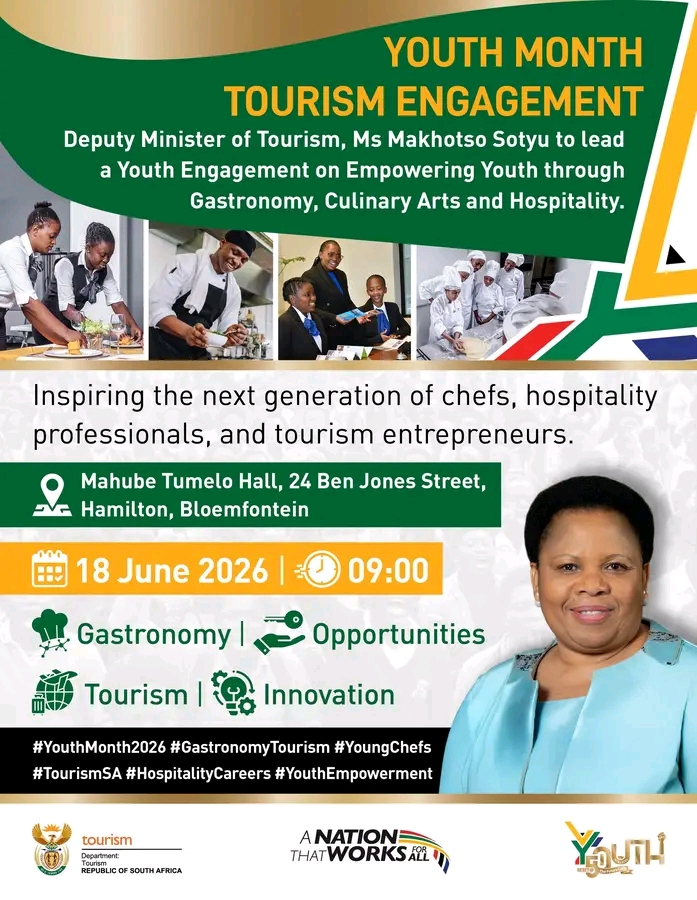
Youth Month engagement in the tourism sector features several active programs aimed skills development, entrepreneurship and innovation.
Key initiatives include the Department of Tourism’s skills programs and the Tourism Business Council of South Africa (TBCSA) initiatives designed to highlight youth-led ventures.
Youth Month tourism engagement relies on structured initiatives that transform young South Africans into active creators and leaders within the sector.
These programs foster career exploration, business incubation, and direct industry participation for young entrepreneurs across South Africa:
Economic Emancipation: National programs focus heavily on reducing high youth unemployment by unlocking sustainable livelihoods and economic inclusion through local tourism.
Public-Private Partnerships: Collaboration between the Department of Tourism, academic institutions, and corporate entities ensures youth gain real-world market access.
Digital Transformation: Incorporating travel tech, content creation, and augmented reality enables youth to drive destination marketing and modern tourism trends.
Key Opportunities
Structured Work Exposure: The Department of Tourism’s Youth Skills Programme places qualified, unemployed graduates with hospitality host employers for 12 months.
Youth Tourism and Backpacking: Creative platforms focus heavily on engaging young travellers as sustainable storytellers and local community ambassadors.
Structural Challenges
Skills Gap: A lack of specialized business management and financial literacy training often restricts youth from successfully scaling small tourism enterprises.
Underrepresentation: Industry surveys show that up to 80% of young tourism workers feel a severe lack of youth representation in executive leadership roles.
Workplace Vulnerabilities: Many young professionals report dealing with low starting salaries, limited long-term job security post-internship, and instances of workplace discrimination.
BY LUCKY SEANEGO